The house · Latido Nepal
हाम्रो कथा
Our story
Taking Nepal to the world.
Latido started with a father’s small leather factory and a son who grew up wearing its jackets. Since then it has learned to build a jacket for one body, to understand that body, and to show it on a screen. Six chapters, from a bench in Jhamsikhel to the door that’s still open.
०१Jhamsikhel, Lalitpur · 2015
पहिलो चरण
The first step
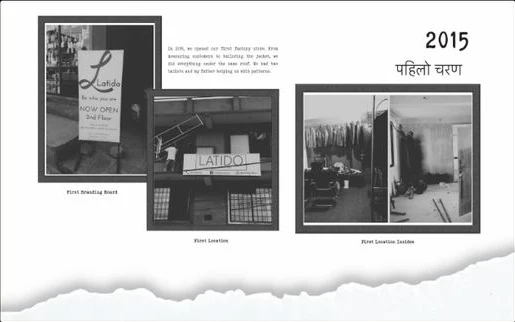
It began with a father’s small leather factory in Kathmandu, closed after a working life, and a son who had grown up wearing jackets it made to his measure. The son opened it again.
Latido was founded in 2015, with the first factory store on a second floor in Jhamsikhel. There were two tailors, and his father helped with the patterns. The tape measure, the cutting and the last stitch were all under one roof.
We have moved three times since, and that way of working has come with us. Today the jackets are cut and stitched by our own karegars in Chobhar, Kathmandu, and fitted in Jhamsikhel.
“As a kid, watching my father run a small factory and getting custom jackets for myself was truly fascinating.”
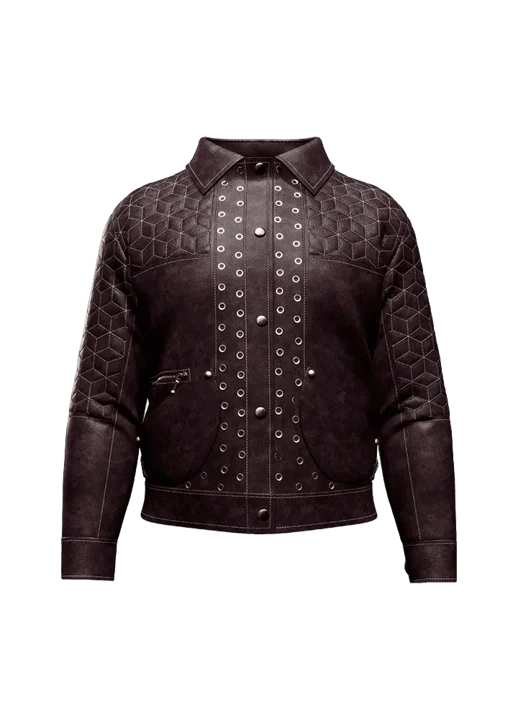
Penrose
a quilted yoke and sleeves · Hakku
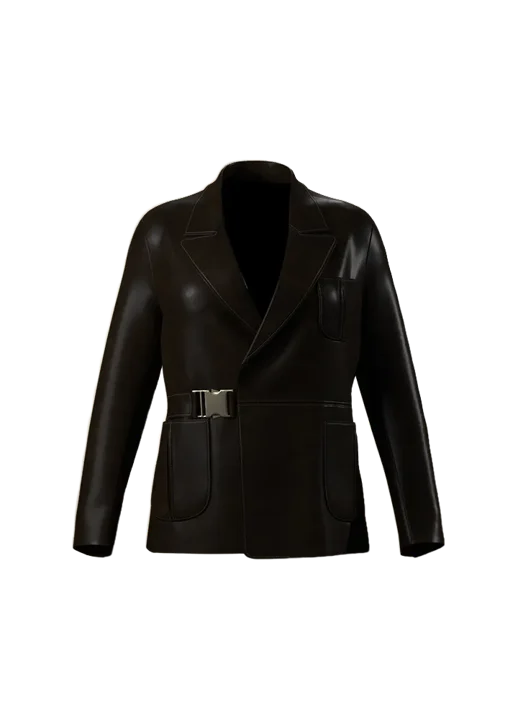
Bhirkot
peak lapels, a buckled strap · Mahogany
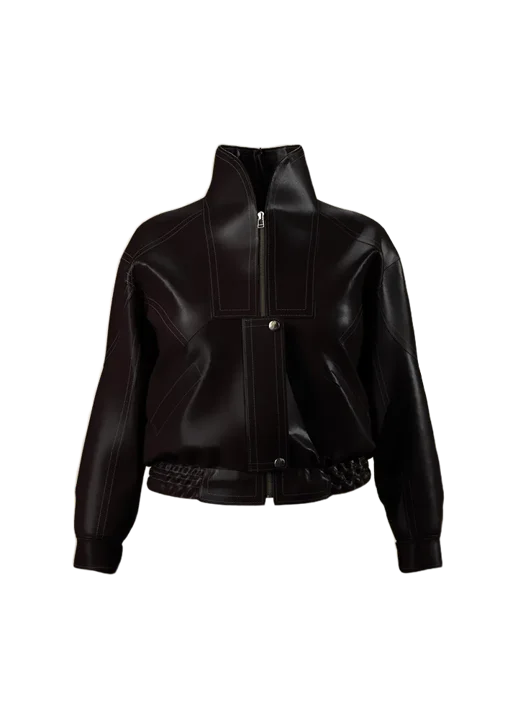
Farooq
a funnel collar, a gathered hem · Bronze Mist
Three builds from our own renders, in the three hides, each one read by what it is made of.
०२Collar · Sleeve · Pocket · Hem
बनोट
Made for one body
From the first counter, the work was measuring a person and cutting a jacket for that person. For us, custom means construction. We don’t add decoration.
A thoka collar or a hood, a cuff or a zip at the wrist, two pockets or none, a two-inch hem or a rib: each is a real piece of the pattern. The words you choose with us are the words the karkhana cuts.
“Culture you can paint on can be painted off. Culture in the construction stays.”
०३A decade of fitting · 1,000+ orders · Sixteen silhouettes
नाप
Knowing the body
More than a decade of measuring Nepali bodies taught us something a size chart can’t: a size means something different on each jacket.
A biker is meant to sit true to the body, an aviator relaxed, a racer lean. The same person can wear one size in one and another size in the next. We would rather tell you why than sell you a letter.
Your size comes from what we have actually cut, across more than a thousand real orders, not from a Western chart. The tape in Jhamsikhel still does the measuring.
One body · Three cuts
Biker
meant to sit true to the body
Aviator
meant to sit relaxed and easy
Racer
meant to sit lean and close
One body, three cuts. Each cut is meant to sit differently, so the size can change from one to the next.
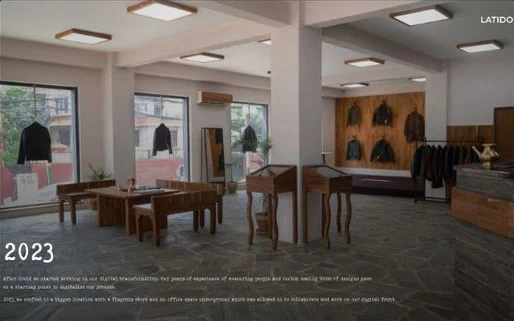
०४After Covid · A room under the store, 2023
तल्लो कोठा
The room below
After Covid we used years of measurements and thousands of designs we had made to put our process online. We did that work in a room under the store.
The jackets on this site turn in 3D, in the leather you would choose, so you can see how one falls before it’s cut.
The screen doesn’t replace the jacket in Lalitpur. It shows you the same jacket before it’s made.
०५Patan · Asan · Thamel · Boudha · Kirtipur
पहिचान
The statement
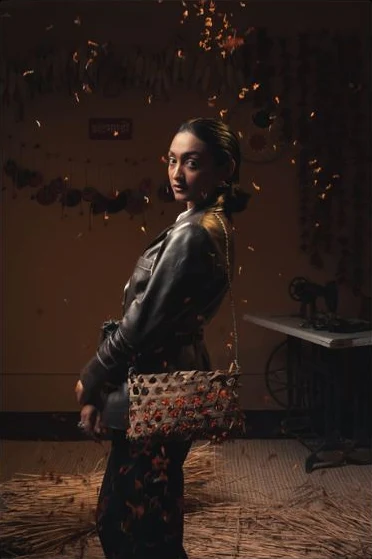
A jacket from here doesn’t need prayer flags to be Nepali. In 2024 the Lookbook took ours through Patan Durbar Square, Asan, Thamel, Boudha and Kirtipur. In Kathmandu we stood black leather in front of an ochre wall with the city’s name painted on a board.
Nepal is not the backdrop. Nepal is the standard, and the jacket has to be good enough to stand in front of that wall.
“The jacket on a Nepali back in Brooklyn is the brand’s most honest review.”
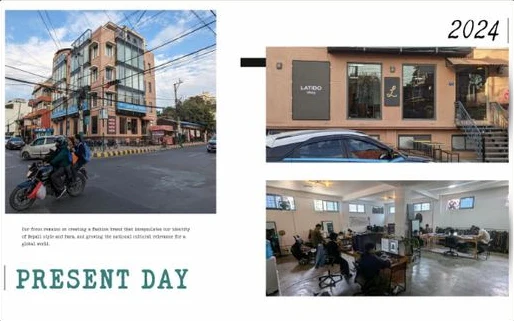
०६Jhamsikhel, Lalitpur · Today
दिनदिनै
Day by day
Nepali luxury barely has a vocabulary yet. We are writing ours one jacket, one customer and one karegar at a time.
We don’t want to be the only Nepali luxury house. We want to be the first, so that the second and the tenth never have to look like Europe to compete with it.
“This is not a brand. This is the beginning of a category.”